
Home » Applications » Automotive & EV platforms
Automotive & EV platforms
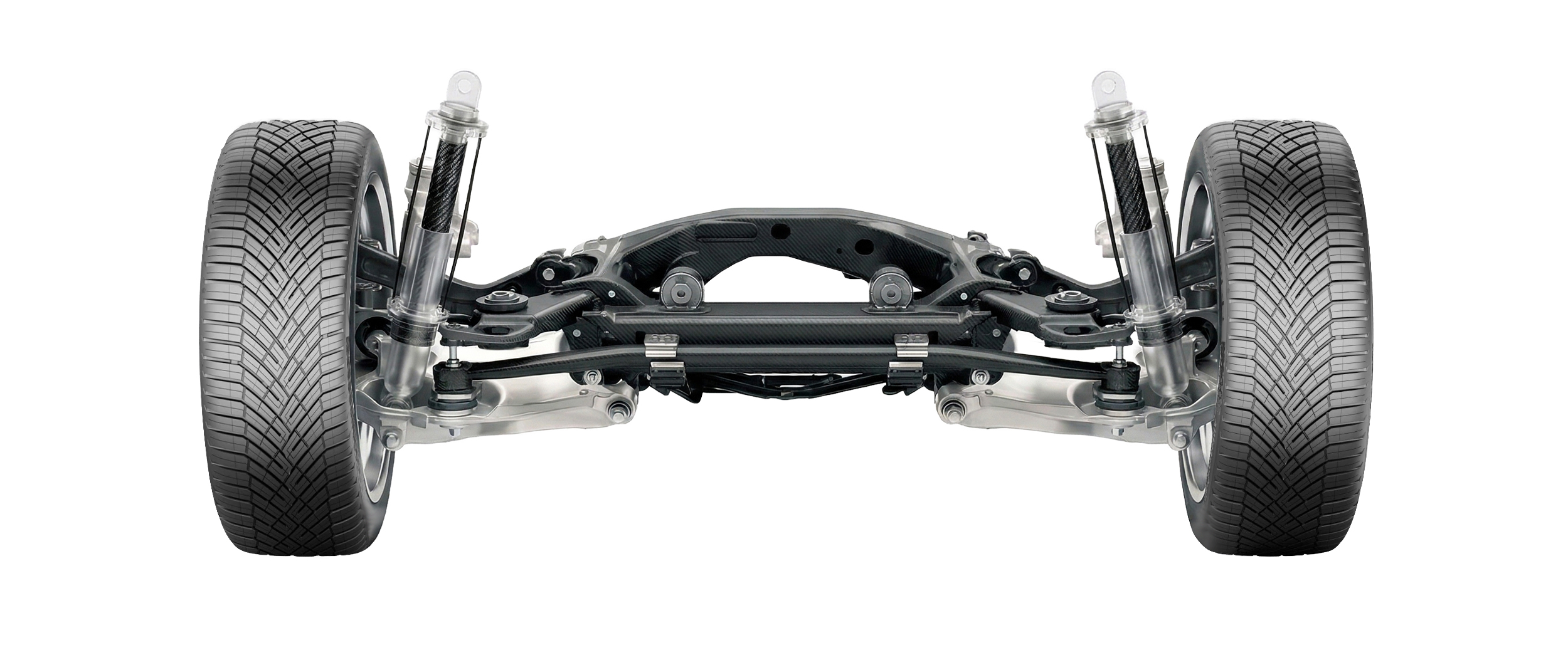
Automotive engineering continuously searches for opportunities to reduce mass, improve efficiency, and rethink component integration. Composite Spring represents a future-oriented concept for selected vehicle systems where weight, packaging, and dynamic tuning matter.
Modern integration
Suitable for advanced mobility platforms and test environments.
Why this segment matters
Automotive and electric vehicle platforms are shaped by constant pressure to improve efficiency, extend functional performance, and integrate innovation at component level. This makes the segment strategically important for lightweight engineering concepts that may support both technical and brand value.
Where composite springs may create value
The strongest relevance appears in selected vehicle systems where weight reduction, tuned response, and application-specific design can support efficiency and innovation goals.
Market problem
Vehicle manufacturers need mass-saving opportunities that align with platform efficiency, engineering targets, and long-term innovation strategies.
Technology advantage
Composite Spring offers a route toward lightweight suspension-related components with application-specific performance design.
Business value
Even targeted component improvements may contribute to energy efficiency, vehicle differentiation, and innovation branding.
Potential partners
OEMs, Tier suppliers, EV innovators, engineering consultancies, and pilot-oriented R&D units.
Example application directions
Early collaboration can focus on selected component areas where lightweight architecture and response tuning may offer clear engineering relevance.
Suspension-related components
Composite spring concepts may be explored in selected suspension-related elements where mass, durability, and application-specific behavior influence system performance.
- Weight-sensitive vehicle subsystems
- Potential for geometry-driven response tuning
- Alignment with advanced chassis development logic
Future EV platform studies
Electric vehicle programs create a strong context for investigating lightweight, efficient, and integration-oriented component concepts in early-stage development.
- Energy-efficiency-oriented engineering
- High relevance of platform mass optimization
- Opportunity for pilot validation in innovation programs
Comparison with conventional solutions
| Aspect | Conventional metal solution | Composite Spring concept |
|---|---|---|
| Mass | Typically higher | Potentially reduced in selected applications |
| Design freedom | Often constrained by established formats | Greater opportunity for application-specific geometry |
| Platform alignment | Standard component logic | Can support future-oriented integration studies |
| Innovation role | Incremental engineering improvement | Supports technical differentiation and R&D positioning |
How collaboration can start
The objective is to assess whether a selected vehicle subsystem provides a justified entry point for concept evaluation, engineering study, and pilot validation.
Talk about your automotive platform
If you work on automotive systems, EV platforms, or advanced vehicle development, we can explore whether Composite Spring fits your engineering and innovation priorities.