
Home » Technology
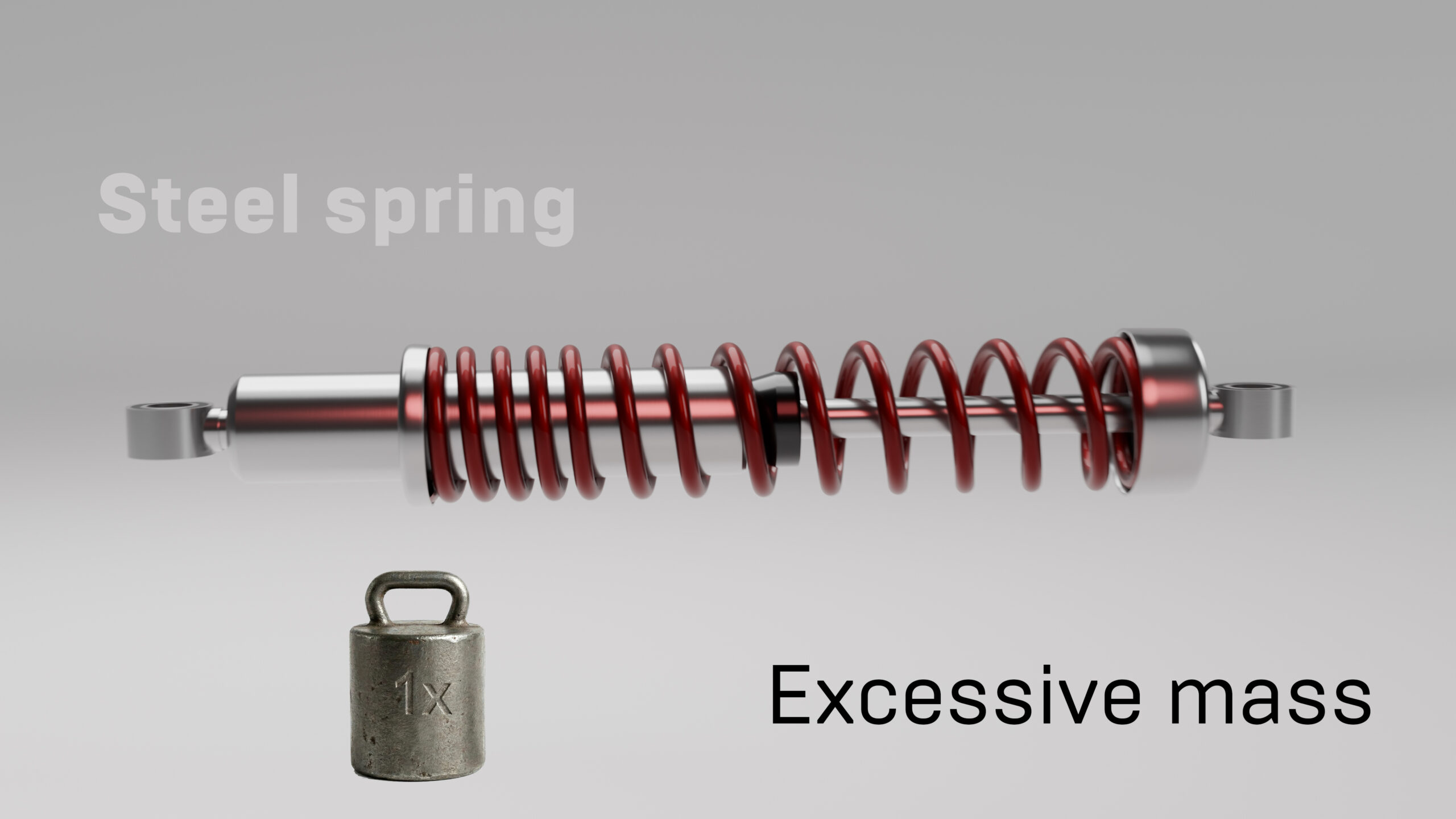
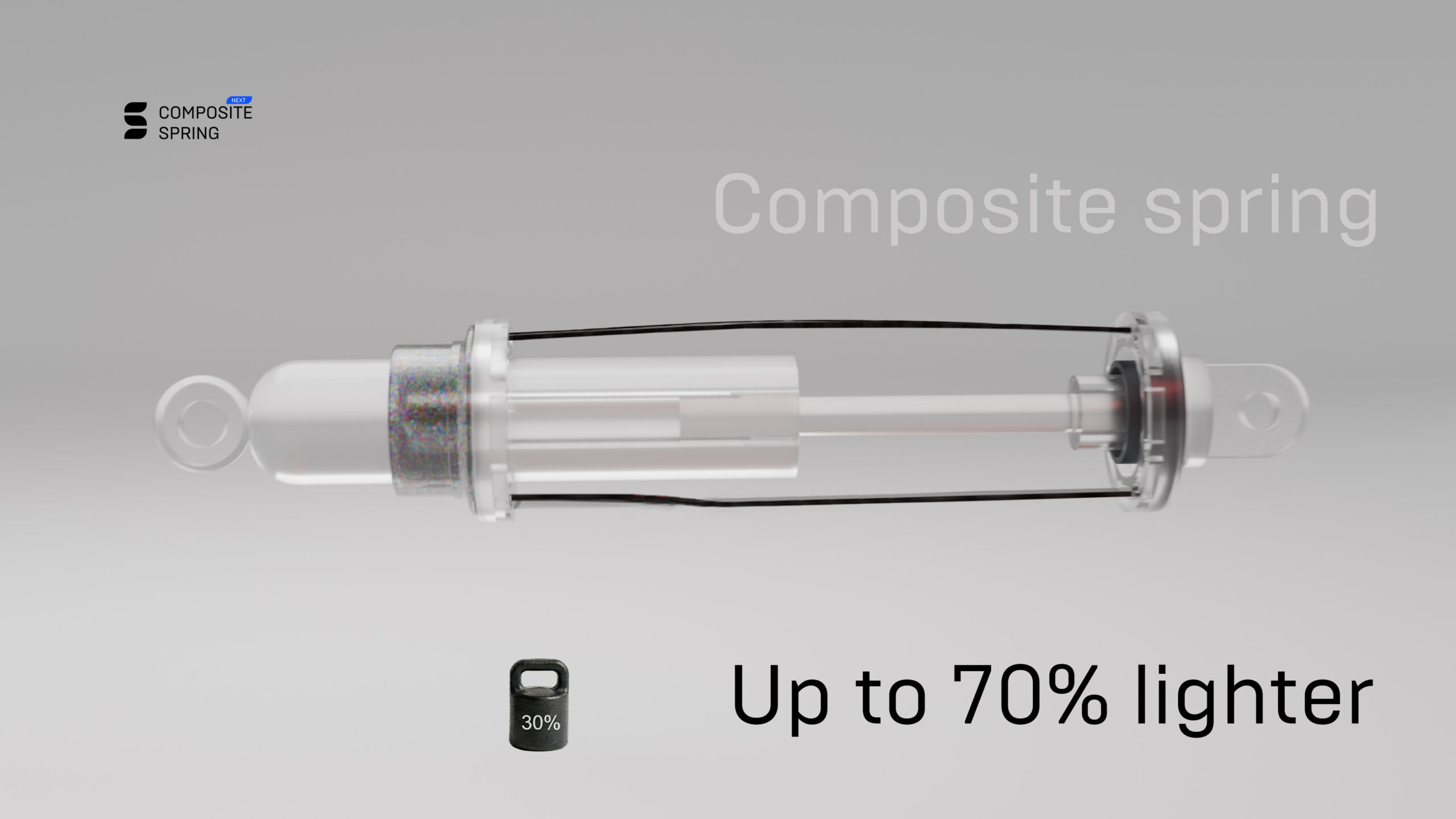
Weight reduction
Lower system mass supports efficiency and dynamic optimization.
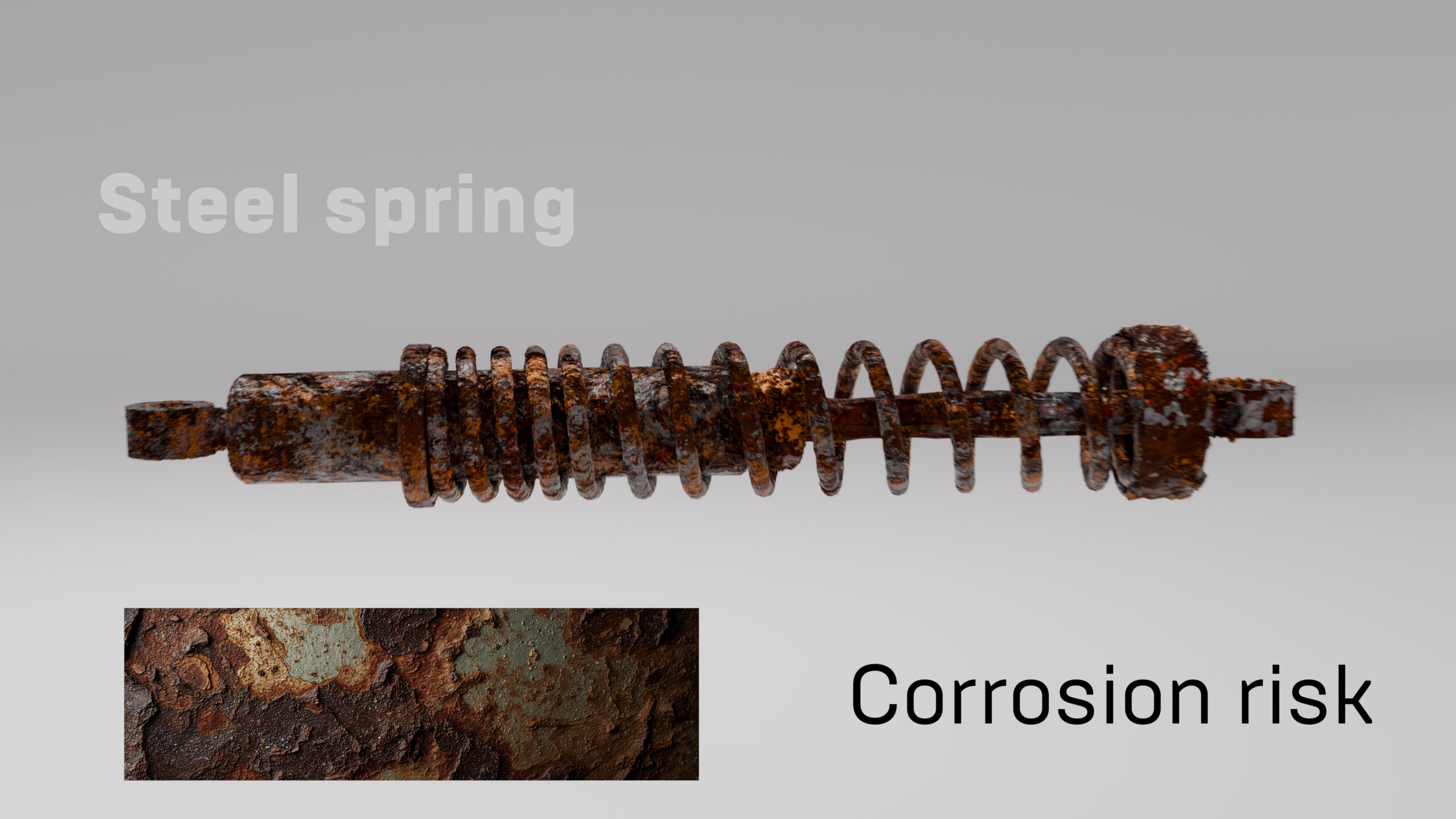
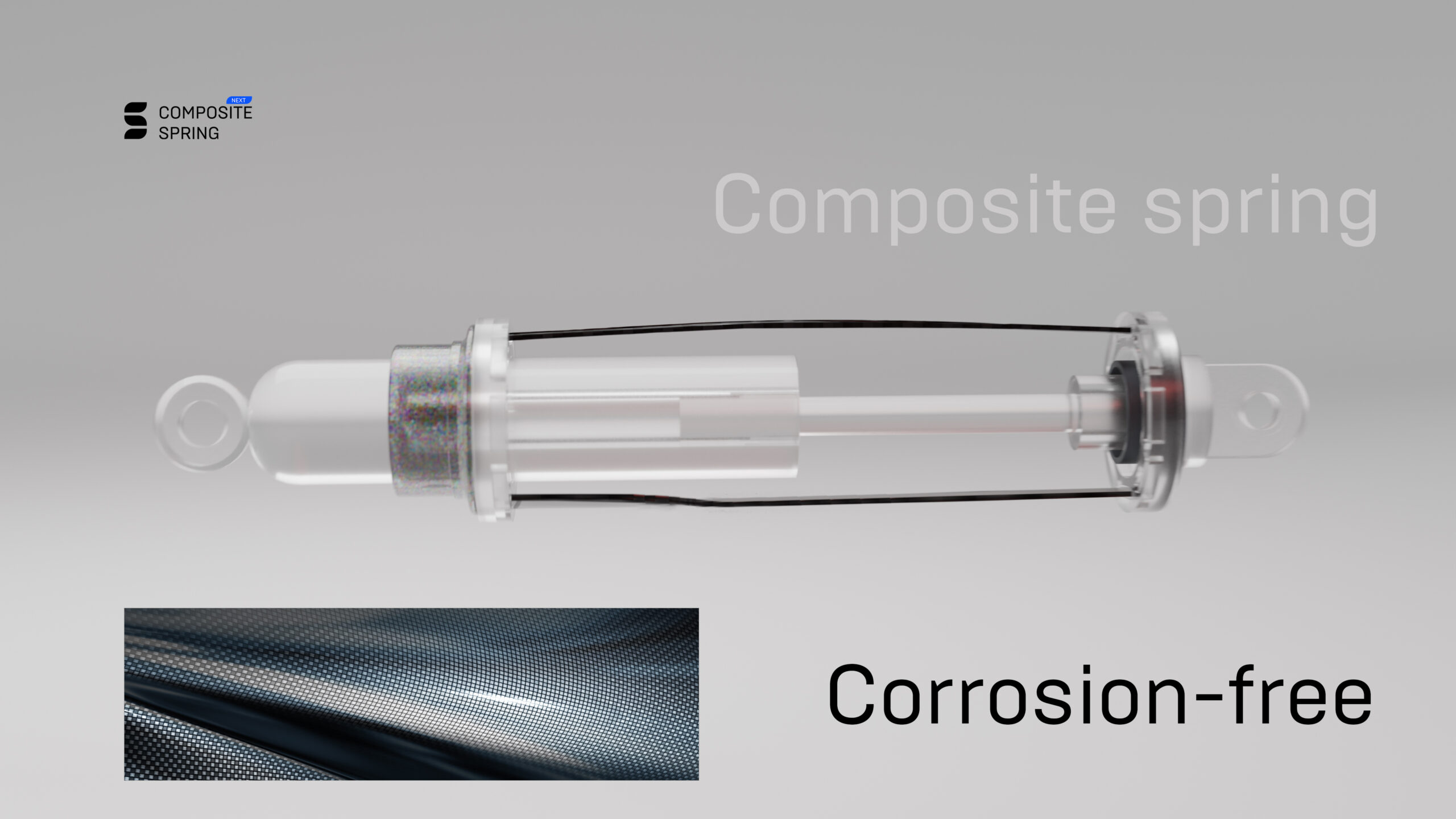
Corrosion resistance and fatigue durability
Steel components are exposed to degradation in outdoor, humid, and chemically demanding environments.
Modern integration
Suitable for advanced mobility platforms and test environments.
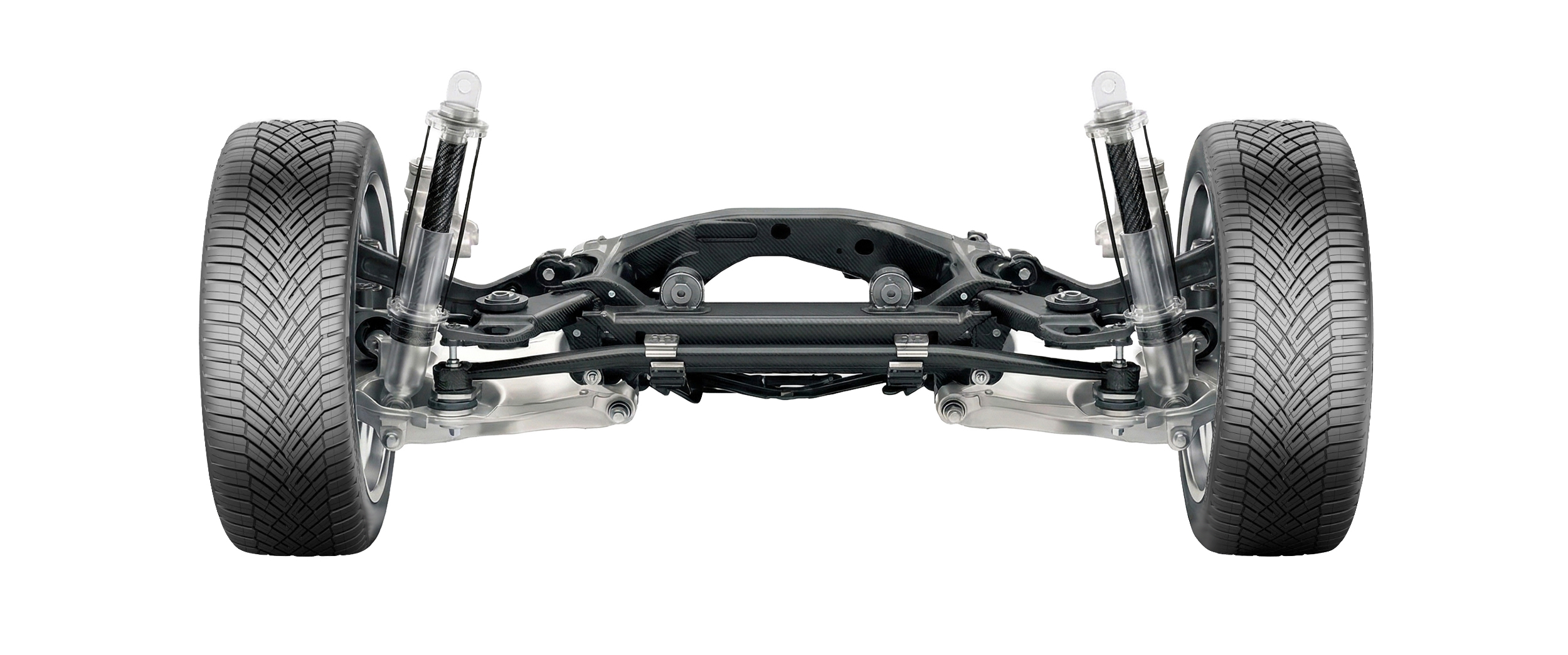
Design freedom
Composite architecture enables application-oriented tuning.
How the technology works
Instead of relying on traditional steel geometry, the Composite Spring is designed as a structural composite system, where both material composition and geometry define performance.
Science Support
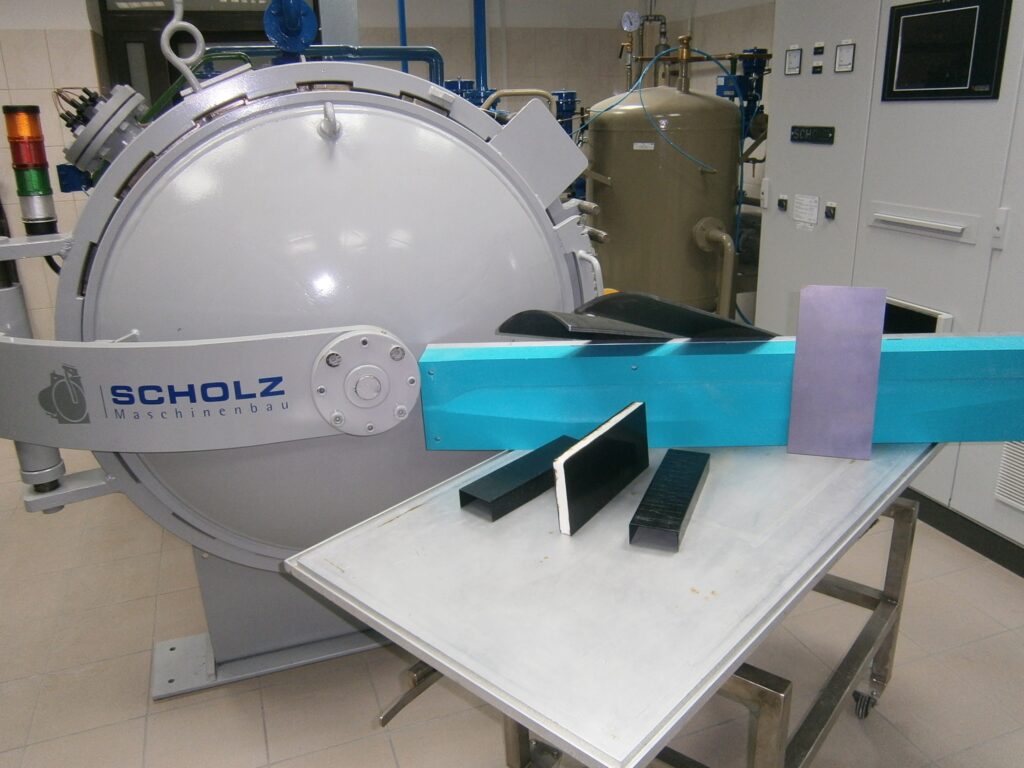
Scientific confirmation of the innovative Composite Spring technology relies on comprehensive material studies, numerical modeling, and laboratory-based bench testing. Developed at the Lublin University of Technology, this project constitutes a milestone in machine dynamics and materials science.
Validated technology
The technology was rigorously tested in a virtual environment before any prototypes were built.
FAQ -
A frequently asked question surrounding your service
A frequently asked question surrounding your service
A frequently asked question surrounding your service
A frequently asked question surrounding your service
A frequently asked question surrounding your service
A frequently asked question surrounding your service
A frequently asked question surrounding your service
A frequently asked question surrounding your service
Composite spring technology engineered for modern dynamic systems
Composite Spring is based on a polymer-fiber architecture designed to replace conventional steel springs in selected applications. The technology enables weight reduction, corrosion resistance, and application-specific tuning of mechanical behavior.
How the technology works
Instead of relying on traditional steel geometry, the Composite Spring is designed as a structural composite system, where both material composition and geometry define performance.
Conventional approach
Steel springs rely primarily on geometry and material elasticity. Performance tuning is limited to shape, dimensions, and material grade.
Composite Spring approach
Mechanical behavior is defined by a combination of fiber structure, matrix properties, and geometry, enabling a broader design space.
Engineering advantages
The technology introduces a new level of control over spring behavior, enabling optimization for specific systems and use cases.
Material-driven performance
Mechanical properties can be tailored through fiber orientation, stacking, and material selection.
Reduced system mass
Composite structures enable significant weight reduction, supporting energy efficiency and dynamic performance.
Corrosion-free operation
Composite materials eliminate corrosion issues typical for steel-based solutions.
Design flexibility
The technology allows integration into systems where traditional springs create constraints.
Application-specific tuning
Each spring can be designed for a specific load profile, frequency response, or dynamic behavior.
Future-ready platform
Designed with modern mobility, EV, and test systems in mind.
Material and structural concept
The core of the technology lies in combining polymer matrices with fiber reinforcement to create a load-bearing structure optimized for dynamic applications.
Performance is not only a result of shape, but of engineered internal structure.
Design parameters
- fiber orientation and stacking sequence
- matrix type and mechanical properties
- geometry and structural layout
- load case and dynamic profile
From concept to implementation
The technology is being developed with a clear pathway toward real-world applications and industrial collaboration.
Evaluate the technology for your application
If you are working on lightweight systems, advanced mobility, or dynamic test platforms, we can explore how Composite Spring fits your engineering requirements.
